What Is the Dark Web
The dark web is a collection of websites and services intentionally hidden from standard search engines and browsers. These sites use encryption and routing protocols that obscure user identity and location. Access requires specific software, most commonly the Tor browser. The dark web isn't inherently illegal—it hosts privacy-focused forums, whistleblowing platforms, and communities in countries with heavy censorship. However, it also contains marketplaces and services associated with illegal activity. The key characteristic is anonymity: both the user and the site operator remain largely unidentified to each other and to outside observers. Content on the dark web exists on servers configured to be reachable only through anonymizing networks.
What Is a Darknet
A darknet is the underlying network technology that enables dark web access. It's an overlay network built on top of the public internet, using encryption and peer-to-peer routing to conceal traffic. The Tor network is the most well-known darknet. Other examples include I2P and Freenet, though Tor dominates in terms of users and available services. A darknet functions by routing data through multiple encrypted layers, with each node in the chain knowing only the previous and next hop—not the origin or destination. This architecture is what makes anonymity possible. The darknet itself is neutral technology; its purpose is to enable private communication. The distinction matters because you can use a darknet for legitimate privacy purposes without accessing any dark web content.
Dark Web Explained: How They Connect
The dark web exists because of darknets. Without the Tor network or similar infrastructure, hidden services couldn't operate anonymously. When you use the Tor browser, you're connecting to the Tor darknet, which then routes your traffic to dark web sites. The process works like this: your request is encrypted and passed through multiple Tor nodes, each stripping away one layer of encryption. The final node decrypts the request and forwards it to the destination. The response travels back through the same randomized path. This multi-hop routing means no single point in the network can see both your identity and the site you're visiting. Dark web sites are hosted on servers configured as Tor hidden services, accessible only through .onion addresses. The combination of darknet infrastructure and dark web content creates the ecosystem people refer to when discussing anonymity online.
Best Dark Web Sites 2026: What Actually Exists
Legitimate dark web sites include privacy-focused forums, news outlets serving censored regions, and secure communication platforms. Some host research on digital security, anonymity techniques, and privacy tools. Others provide uncensored information or support communities in countries with restricted internet access. The term best dark web sites depends entirely on your purpose. For security research, sites discussing Tor vulnerabilities and privacy techniques are valuable. For journalists and activists, platforms enabling anonymous communication matter most. For general users, the dark web offers little practical benefit beyond privacy experimentation. Many sites claiming to list best dark web sites 2026 actually promote marketplaces or services of questionable legality. Legitimate resources focus on education, security, and privacy rather than commerce. When evaluating any dark web resource, verify its purpose and check whether it's maintained by recognized security researchers or established organizations.
Dark Deep Web Difference: Layers of the Internet
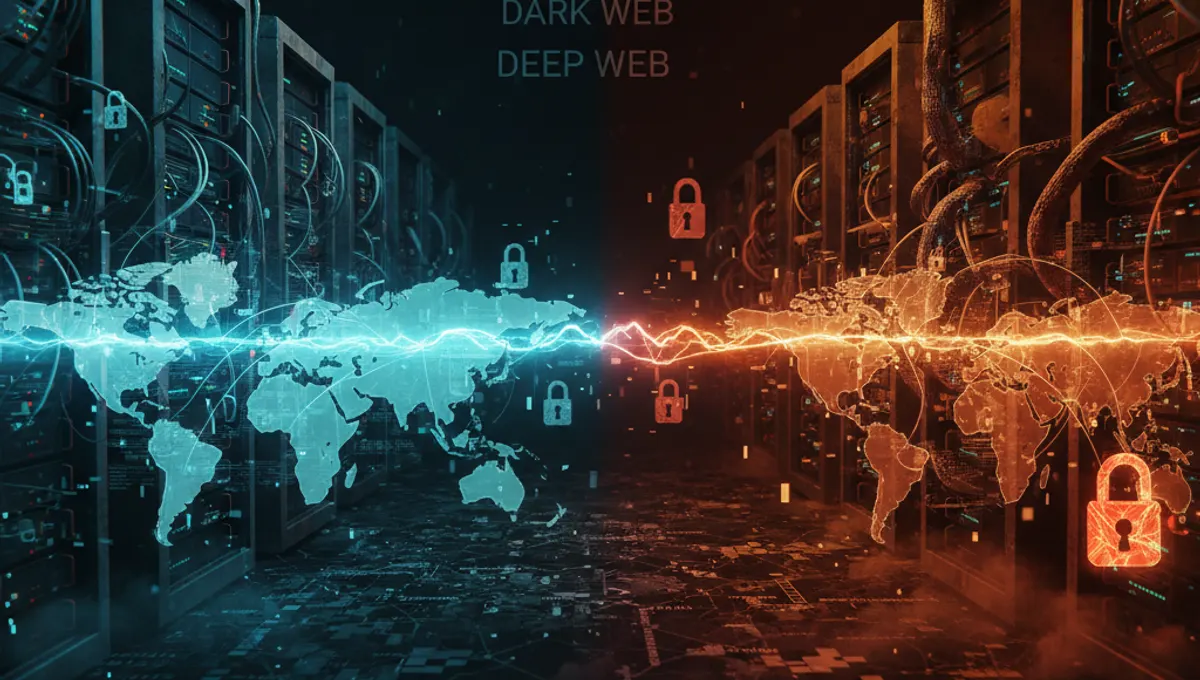
The deep web and dark web are distinct concepts often confused. The deep web includes all internet content not indexed by search engines—email accounts, banking portals, medical records, academic databases, and paywalled content. Most of the deep web is mundane and perfectly legal. The dark web is a small subset of the deep web specifically configured for anonymity and hidden from standard access. The dark deep web difference matters because most deep web content is accessible through normal browsers if you have credentials. Dark web content requires anonymizing software. Think of it this way: the deep web is anything not on Google. The dark web is content deliberately hidden and encrypted. Your email inbox is deep web. A Tor hidden service forum is dark web. Understanding this distinction prevents confusion when reading about internet privacy and security.
Security Considerations and Common Mistakes
Using the dark web safely requires more than just installing Tor. Common mistakes include: running Tor without a VPN, assuming Tor alone provides complete anonymity, maximizing your browser window (which can reveal screen resolution for fingerprinting), using the same username across sites, and downloading files without understanding the risks. Best practices include running Tor through a VPN for additional privacy, keeping your operating system and software updated, disabling JavaScript in Tor browser settings, using separate usernames for different activities, and being cautious with downloads. Never maximize your browser window or change default settings that might compromise anonymity. Avoid plugins or extensions that might leak your real IP. If you're serious about security, consider using Tails or Whonix—operating systems designed specifically for anonymity. Remember that Tor protects your connection, not your behavior. If you visit sites and reveal personal information, that information is still exposed regardless of your network setup.
Dark Web Breach Sites and Data Exposure
Dark web breach sites are marketplaces where stolen data is bought and sold. These sites aggregate credentials, personal information, and databases from security breaches. They represent a significant privacy risk because your data might be available for purchase without your knowledge. Monitoring whether your information appears on dark web breach sites is part of responsible digital hygiene. Several legitimate services scan for exposed credentials and notify users, though they cannot access all dark web marketplaces. If you've been part of a major breach, assume your data is available somewhere. Change passwords for affected accounts, enable two-factor authentication, and monitor financial accounts for unauthorized activity. The existence of dark web breach sites underscores why strong, unique passwords and security practices matter. You cannot prevent all breaches, but you can limit damage by not reusing passwords across services and by using password managers like Bitwarden to generate and store complex credentials securely.
Frequently asked questions
Is the dark web illegal?
The dark web itself is not illegal. It's a network designed for privacy and anonymity. However, some activities conducted on the dark web are illegal. Using the dark web for legitimate purposes—research, privacy, accessing information in censored regions—is legal in most countries. What matters is your activity, not the network you use.
Can I access the dark web on my phone?
Yes, but with limitations. Tor browser is available for Android. However, phones are less secure than computers for dark web access because they're more likely to leak identifying information through apps and system settings. If you use a phone, disable location services, use a VPN first, and avoid downloading files unless necessary.
Do I need a VPN to use Tor?
No, but it adds a layer of privacy. Using a VPN before connecting to Tor means your internet service provider sees you're using a VPN but not Tor. Your VPN provider sees you're using Tor but not your destination. Neither sees both. This is optional but recommended if you want maximum privacy from your ISP.
What's the difference between Tor and a VPN?
A VPN encrypts your traffic and routes it through a single server. Tor encrypts your traffic and routes it through multiple nodes. Tor provides stronger anonymity but is slower. A VPN is faster but provides less anonymity. They serve different purposes and can be used together for additional privacy.
How do I know if a dark web site is safe?
You don't, completely. Assume all dark web sites carry risk. Check whether the site is maintained by recognized security researchers or established organizations. Avoid sites promoting illegal services. Never download files unless absolutely necessary. Use security-focused operating systems like Tails if you're accessing sensitive content. Trust your instincts—if something seems suspicious, leave.