What Is the Dark Web
The dark web is a network layer that sits on top of the internet but requires specialized tools to reach. It was created by the U.S. Naval Research Laboratory as a way to protect government communications. Today, it's maintained by volunteers and used by journalists, activists, and privacy-conscious individuals worldwide. The dark web itself is neutral—it's a technology. What happens on it depends on who uses it and why. Sites on the dark web use .onion addresses instead of standard domain names, and they're hosted on servers configured to hide their location and identity.
Dark Web vs. Deep Web: Key Differences
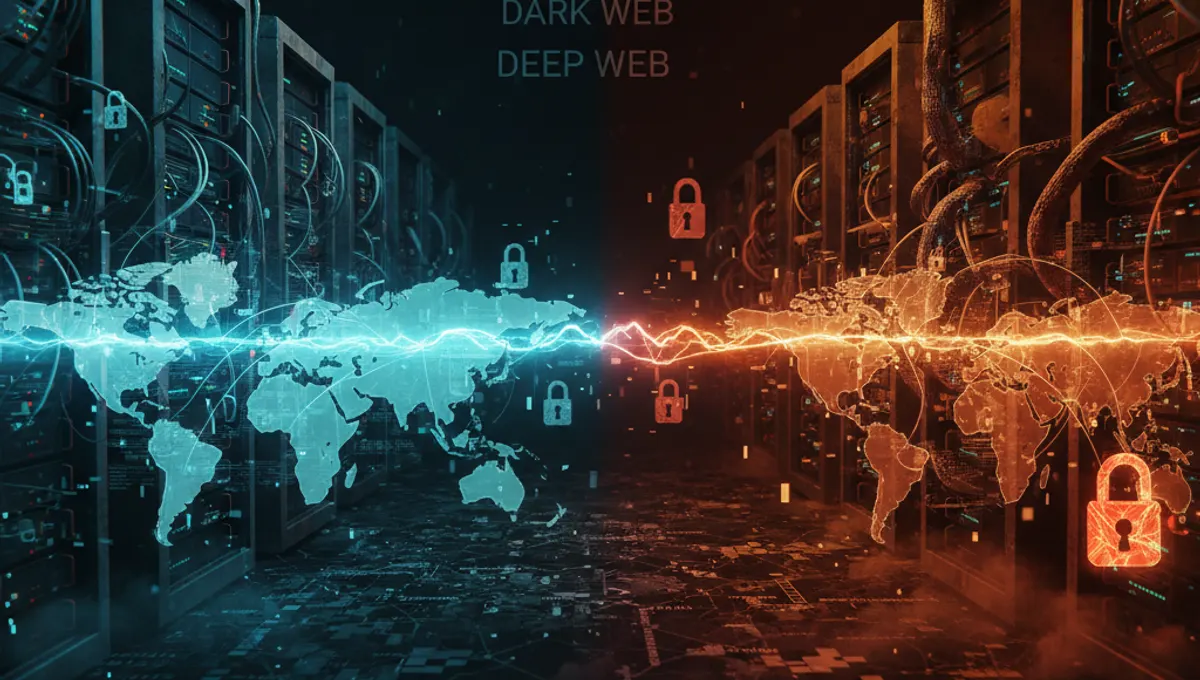
People often confuse the dark web with the deep web, but they're different. The deep web includes anything not indexed by search engines: your email inbox, medical records, bank accounts, academic databases, and paywalled content. It's massive and mostly mundane. The dark web is a small subset of the deep web—specifically, sites intentionally hidden and accessible only through Tor or similar networks. Understanding this distinction matters because most of the internet is technically 'deep,' but only a fraction is 'dark.' The dark web is where anonymity is the default, not an afterthought.
How the Dark Web Works: The Tor Network
Tor (The Onion Router) is the primary technology enabling dark web access. It works by routing your traffic through multiple volunteer-run servers, encrypting it at each layer. Your data enters the Tor network, bounces through several nodes, and exits encrypted—making it extremely difficult to trace back to you. Each relay only knows the previous and next node, not your origin or destination. This layered encryption is why it's called 'onion routing.' When you access a .onion site, both your identity and the site's location remain hidden. The Tor Project, the organization behind this technology, maintains the network and releases the Tor Browser, the standard tool for accessing dark web sites.
Accessing the Dark Web: What You Need
To access the dark web safely, follow these steps: First, download Tor Browser from the official Tor Project website—never from third-party sources. Second, consider using a dedicated operating system like Tails or Whonix if you're accessing sensitive material; these run from USB or virtual machines and leave no trace on your computer. Third, use a VPN before connecting to Tor for an additional layer of anonymity, though this is debated among security experts. Fourth, disable JavaScript in Tor Browser settings to prevent certain attacks. Fifth, never maximize your browser window—fingerprinting tools can identify you based on screen resolution. Finally, never open files downloaded from the dark web in your regular operating system without scanning them first. Treat every interaction with caution.
Security, Anonymity, and Common Mistakes
The dark web offers anonymity, but it doesn't guarantee safety. Common mistakes include: using the same username across platforms, enabling plugins or extensions, torrenting over Tor (which leaks your IP), clicking links without verification, and assuming anonymity means you're untraceable. Law enforcement agencies have successfully identified dark web users by analyzing traffic patterns, exploiting browser vulnerabilities, and monitoring cryptocurrency transactions. Never assume your activity is invisible. Use a password manager like Bitwarden to maintain unique credentials. Assume every link could be malicious. Never resize your browser window or change display settings—this creates a unique fingerprint. If you're accessing dark web sites for legitimate purposes, assume you're being monitored and act accordingly. Anonymity is a tool, not a shield.
What Exists on the Dark Web
The dark web hosts legitimate and illegal content. Legitimate uses include: secure communication for journalists and activists in repressive countries, privacy-focused forums and discussion boards, libraries of censored information, and research resources. Illegal marketplaces exist too, though law enforcement has successfully shut down many high-profile ones. Dark web chatroom links and community spaces range from technical forums to support groups. The best dark web sites for learning include privacy-focused wikis and security resources. Understanding what's available helps you navigate responsibly. Most dark web activity is mundane—discussion, file sharing, and communication. The sensationalized 'dark web marketplace' narrative obscures the reality that most users are there for privacy, not crime.
Risks and Legal Considerations
Accessing the dark web itself is legal in most countries, but what you do there matters. Downloading illegal content, participating in marketplaces, or engaging in criminal activity carries serious legal consequences. Law enforcement agencies worldwide actively monitor dark web activity. Your ISP can see you're using Tor, even if they can't see what you're doing. Some countries restrict or ban Tor access entirely. If you're in a country with internet censorship, using Tor may itself be risky. Before accessing the dark web, understand your local laws and the specific risks in your jurisdiction. Use common sense: if an activity is illegal on the surface web, it's illegal on the dark web. Anonymity doesn't equal immunity.
Frequently asked questions
Is it illegal to access the dark web?
Accessing the dark web is legal in most countries. Using Tor Browser to reach .onion sites is not a crime. However, what you do on the dark web matters. Downloading illegal content, buying contraband, or engaging in criminal activity is illegal regardless of where it happens. Check your local laws, as some countries restrict Tor access.
Can I be traced on the dark web?
Tor provides strong anonymity, but it's not perfect. Law enforcement has identified dark web users through traffic analysis, browser exploits, cryptocurrency tracking, and operational security mistakes. Assuming you're untraceable is dangerous. Use additional security measures like VPNs, dedicated operating systems, and careful operational security.
What's the difference between Tor and a VPN?
Tor routes traffic through multiple nodes, encrypting at each layer. A VPN encrypts traffic through a single server. Tor is slower but provides stronger anonymity. VPNs are faster but rely on the provider's trustworthiness. Some use both: VPN first, then Tor. Each approach has tradeoffs in speed, anonymity, and usability.
Why was the dark web created?
The Tor network was developed by the U.S. Naval Research Laboratory to protect government communications. It was later released publicly to strengthen the network and protect privacy advocates, journalists, and activists worldwide. The technology itself is neutral; its purpose depends on how people use it.
What should I avoid on the dark web?
Avoid clicking unverified links, downloading files without scanning them, using the same username across sites, maximizing your browser window, enabling plugins, torrenting over Tor, and assuming anonymity means safety. Treat every interaction as potentially malicious. Use strong operational security practices at all times.