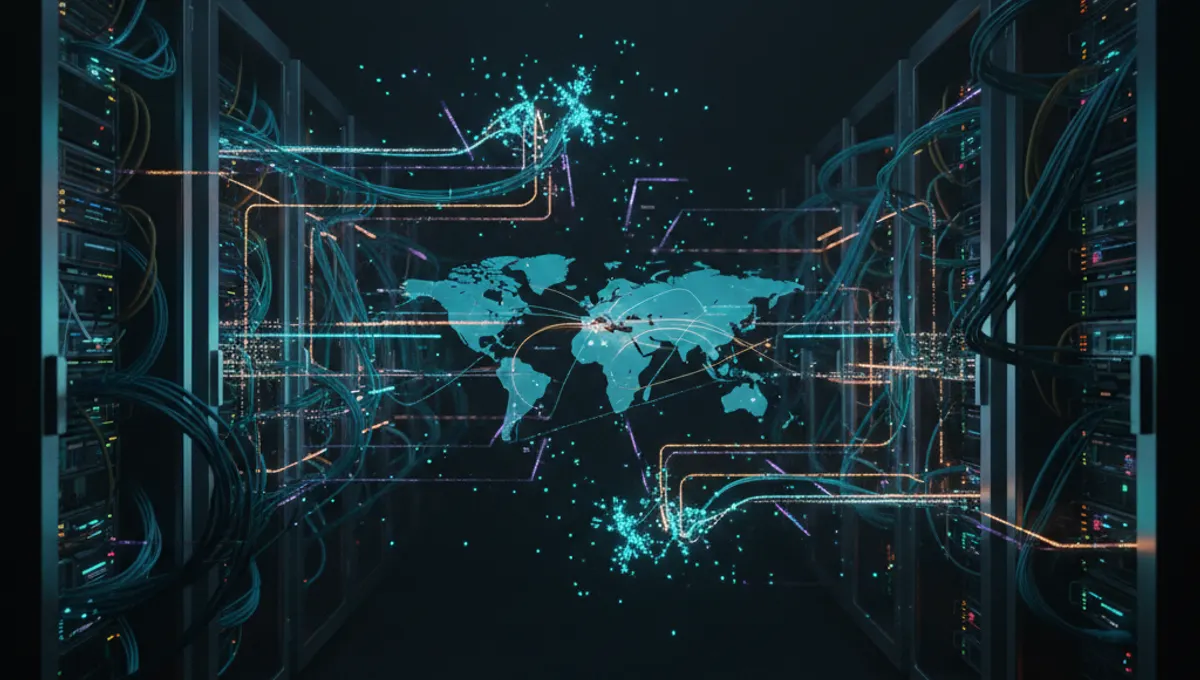
Dark Web Sites Kya Hai: Basic Definition
Dark web sites are web pages hosted on networks that require specific software to access, most commonly the Tor browser. These sites use the .onion domain extension and operate on encrypted networks that route traffic through multiple nodes, making it difficult to trace user identity or location. They are not inherently illegal; the technology itself is neutral. Journalists, activists, and privacy-conscious individuals use dark web sites to communicate securely. The term 'dark web' refers to the intentionally hidden portion of the internet, distinct from the 'deep web,' which includes any non-indexed content like email inboxes or paywalled articles. Dark web sites exist because their operators want anonymity, either for legitimate privacy reasons or for conducting illegal transactions. The infrastructure that enables this anonymity is the same regardless of the site's purpose.
How Dark Web Sites Work: Technical Basics
Dark web sites operate through the Tor network, which uses onion routing. When you access a dark web site, your connection is encrypted and routed through multiple volunteer-operated servers called nodes. Each node removes one layer of encryption, similar to peeling an onion—hence the .onion domain. This multi-hop routing makes it nearly impossible for anyone to trace your connection back to your real IP address. Dark web sites themselves are hosted on servers that also mask their location and operator identity. The Tor Project, a legitimate nonprofit organization, maintains the Tor browser and network. To access these sites, you download the Tor browser, which handles the routing automatically. Once connected, you can visit .onion addresses just like regular websites. The process is slower than standard browsing because your data travels through multiple encrypted hops. Dark web sites can host anything—forums, marketplaces, news sites, or communication platforms—but the anonymity layer is what defines them technically.
Legitimate Uses of Dark Web Sites
Dark web sites serve genuine purposes beyond illegal activity. Journalists use them to communicate with sources in countries with strict censorship or surveillance. Human rights organizations operate dark web sites to help people in repressive regimes access uncensored information. Whistleblowers use dark web platforms to share evidence of wrongdoing without revealing their identity. Researchers study the dark web to understand cybersecurity threats and anonymity technologies. Privacy advocates maintain forums and resources for people learning about digital security. Activists in countries with internet restrictions use dark web sites to organize and share information. Some dark web sites provide secure email services, messaging platforms, and data storage for people with legitimate privacy needs. Libraries and educational resources exist on the dark web to preserve information and provide access in censored regions. The Tor Project itself publishes documentation and resources on dark web infrastructure. These legitimate uses demonstrate that dark web sites are tools—their value depends on how they are used.
Best Dark Web Sites 2026: Categories and Examples
When discussing best dark web sites, the definition of 'best' depends on your purpose. For privacy-conscious communication, secure messaging platforms and email services operate on the dark web. News organizations maintain dark web mirrors to reach readers in censored countries. Forums dedicated to privacy, security, and technology discussion exist as communities for learning. Libraries archive books, academic papers, and historical documents. Some sites provide guides on digital security, VPN usage, and anonymity practices. Search engines designed for the dark web help users navigate .onion addresses. Whistleblowing platforms accept anonymous submissions. However, this site does not maintain a current directory of specific dark web sites or .onion addresses. To find current, verified platforms, consult this site's Verified Market page, which is regularly updated. The dark web landscape changes constantly—sites move, disappear, or get compromised. Relying on outdated lists is a security risk. Always verify addresses through multiple trusted sources before visiting any dark web site.
Security Risks and Common Mistakes
Accessing dark web sites carries specific risks that differ from regular internet use. Malware is common—sites may contain malicious code designed to compromise your device or steal data. Law enforcement agencies monitor dark web activity, and visiting certain sites could draw attention depending on your jurisdiction. Phishing attacks are prevalent; fake sites impersonate legitimate ones to steal credentials or cryptocurrency. Users often make mistakes like maximizing their browser window, which can reveal screen resolution and help identify them. Downloading files from dark web sites is risky; they may contain malware or be honeypots set by authorities. Engaging in illegal transactions creates legal liability. Scams are rampant—users lose money to fake vendors or services. Many people assume Tor alone provides complete anonymity, but poor operational security can still expose identity. Using the same username across sites, enabling plugins, or running scripts can compromise anonymity. Visiting dark web sites while connected to your regular internet identity is dangerous. Combining Tor with a VPN requires careful configuration to avoid leaking your real IP address.
Security Best Practices: VPN, Tor, and Anonymity
Using a VPN before connecting to Tor adds a layer of protection, though this configuration requires careful setup. A VPN encrypts your traffic before it reaches the Tor network, hiding your ISP-visible connection to Tor from your internet provider. However, using Tor over VPN means your VPN provider can see you're using Tor, which may be problematic in some jurisdictions. The alternative—Tor over VPN—routes Tor traffic through a VPN, but this is less common and has different tradeoffs. Never maximize your browser window on the dark web; use a standard resolution to avoid fingerprinting. Disable JavaScript in Tor browser settings to prevent scripts from revealing your IP. Do not enable plugins like Flash or Java. Do not open files in applications that might connect to the internet. Keep your operating system and all software updated. Consider using a dedicated device or virtual machine for dark web access. Do not assume anonymity means you can act without consequences; many dark web activities are illegal and prosecuted. Avoid torrenting over Tor—it can leak your real IP address. Use strong, unique passwords for any dark web accounts. Never mix dark web activity with regular internet use on the same session.
Dark Web Breach Sites and Data Exposure
Dark web breach sites are platforms where stolen data is bought, sold, or leaked. These sites operate as marketplaces or forums where cybercriminals share databases, credentials, and personal information obtained from hacks. Breach sites pose a significant risk to individuals whose data appears there—attackers use this information for identity theft, fraud, or further hacking. If your personal information appears on a dark web breach site, you may not know it immediately. Some security researchers monitor these sites and publish alerts when major breaches surface. However, relying on external monitoring is insufficient; you should monitor your own accounts for suspicious activity. If you suspect your data has been breached, change passwords for critical accounts, enable two-factor authentication, and monitor credit reports. Dark web breach sites are illegal in most jurisdictions, and accessing them to purchase stolen data is a criminal offense. Law enforcement agencies actively investigate these platforms. Some breach sites are honeypots—fake sites operated by authorities to catch criminals. The existence of breach sites underscores the importance of strong security practices: use unique passwords, enable two-factor authentication, and avoid reusing credentials across services.
Frequently asked questions
Kya dark web sites access karna illegal hai?
Accessing the dark web itself is not illegal in most countries. Using Tor and visiting .onion sites is legal. However, engaging in illegal activities on the dark web—purchasing drugs, stolen data, or weapons—is criminal. Your jurisdiction's laws apply regardless of whether you're on the dark web. Many people access dark web sites for legitimate privacy reasons without breaking any laws.
Dark web sites par anonymity kitni secure hai?
Tor provides strong anonymity, but it is not absolute. Your ISP can see you're using Tor. Law enforcement can sometimes identify users through traffic analysis, malware, or operational security mistakes. Anonymity depends on how carefully you use the technology. Maximizing your browser window, enabling plugins, or reusing usernames can compromise anonymity. Combining Tor with a VPN adds protection but requires proper configuration.
Best dark web sites kaunsi hain?
The 'best' dark web sites depend on your purpose. Secure communication platforms, privacy forums, and news archives serve legitimate functions. This site does not maintain a current directory of .onion addresses because the dark web landscape changes constantly. For verified, updated platform information, consult this site's Verified Market page. Always verify addresses through multiple trusted sources before visiting.
Kya dark web sites par malware hota hai?
Yes, malware is common on dark web sites. Malicious code can compromise your device, steal data, or log your activity. Downloading files from dark web sites is particularly risky. Protect yourself by keeping your operating system updated, disabling JavaScript in Tor browser, avoiding file downloads, and using a dedicated device or virtual machine for dark web access.
Dark web dating sites kya hain aur safe hain kya?
Dark web dating sites are platforms where users connect anonymously. They carry the same risks as any dark web site: malware, scams, law enforcement monitoring, and malicious users. Anonymity can attract predatory behavior. If you use any dark web platform, verify identities carefully, avoid sharing personal information, and be aware that your activity may be monitored by authorities depending on your location and the site's purpose.